
Fraction Bar: Definition, Meaning, and Examples
A fraction bar is the horizontal line between a numerator and denominator; it groups the numerator and denominator and represents division. This simple mathematical symbol is essential for writing and understanding fractions accurately.
What is a fraction bar?
The fraction bar is the horizontal line that separates a fraction into two distinct parts. It visually defines the relationship between the top number, or numerator, and the bottom number, or denominator.
The fraction bar visually separates the numerator from the denominator.
When identifying parts of a fraction, the fraction bar definition tells us that it divides the whole into equal parts. The denominator below the fraction bar shows the total number of equal parts. The numerator above the fraction bar shows how many of those equal parts are selected.
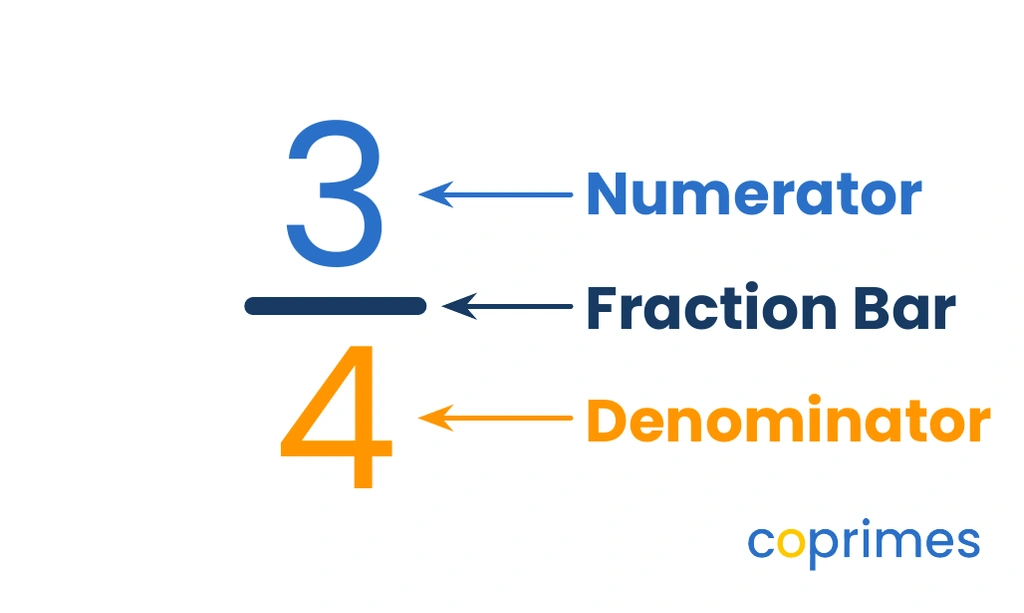
In formal mathematical terms, this horizontal line is also called a vinculum. A vinculum is any horizontal line used in mathematical notation to group symbols together.
The fraction bar means division
Every fraction bar represents the mathematical operation of division. The fraction bar meaning is exactly identical to a standard division sign.
Every fraction bar represents the mathematical operation of division.
When a fraction is written as , it means . The numerator acts as the dividend, which is the number being divided. The denominator acts as the divisor, which is the number doing the dividing.
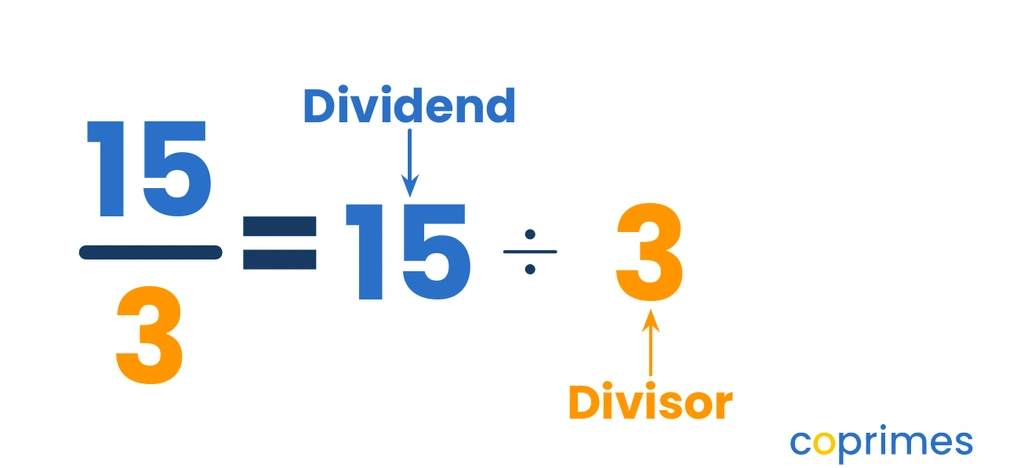
The division bar in a fraction ensures that the operation remains perfectly clear. For example, the fraction means divided by , which results in .
Read fraction notation
Fraction notation uses the fraction bar to guide how a mathematical expression is read aloud. The fraction line provides a clear, consistent structure for communicating mathematics.
A simple fraction like is typically read as "three-fourths" or "three over four." Because the fraction bar means division, it can also be read mathematically as "three divided by four."
Accurate reading is an important skill when exploring proper fractions and mixed numbers. In more complex algebra, reading the fraction line explicitly as "divided by" helps prevent calculation errors.
A learning plan shaped by your child, not the class
State-aligned Math plus our own Logic and English curriculum. An adaptive baseline test finds the gaps and fills them.
Fraction bar versus a slash
While a horizontal fraction bar and a slanted slash both represent division, the horizontal fraction bar is the standard notation used in formal mathematics.
A horizontal line clearly separates the numerator from the denominator, placing one completely above the other. A slash is often used inline when typing on a keyboard, such as .
While a slash is convenient for typing plain text, it can create ambiguity in longer expressions. A horizontal fraction bar prevents confusion by clearly showing which terms belong to the numerator and which belong to the denominator.
Use parentheses in longer expressions
The fraction bar acts as a powerful grouping symbol in longer expressions. It groups everything above it as one complete value and everything below it as another complete value.
When translating a fraction with multiple terms into an inline expression with a division sign, you must add parentheses to maintain the correct grouping.
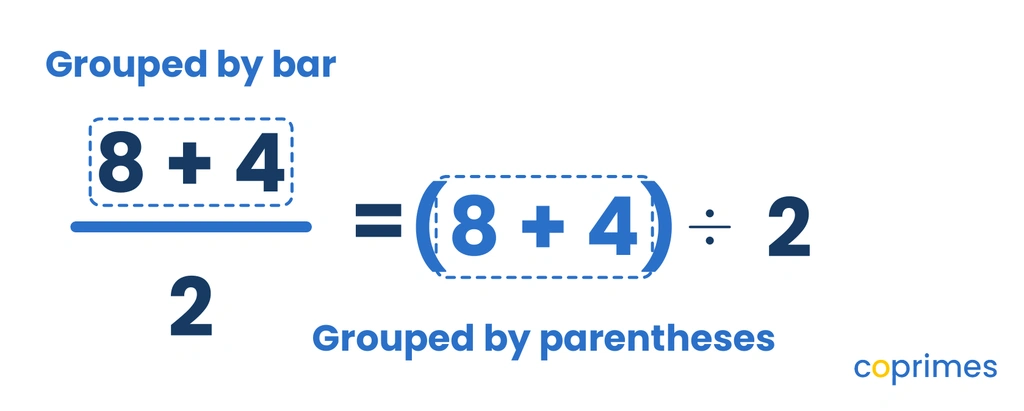
For example, the expression means that the entire sum of is divided by . If written inline without parentheses as , the order of operations will calculate the division first, giving the wrong answer. It must be written as .
Worked examples
Practicing with the fraction bar builds confidence in reading and writing division expressions accurately.
Example 1: Identifying fraction parts
Question: What are the numerator and denominator in the fraction ?
Method:
- Locate the top number above the fraction bar.
- Locate the bottom number below the fraction bar.
Answer: The numerator is and the denominator is .
Check: Verify that the numerator represents the selected parts and the denominator represents the total parts.
Example 2: Converting division to a fraction
Question: Write the expression as a fraction and identify the dividend and divisor.
Method:
- Identify the first number as the dividend.
- Identify the second number as the divisor.
- Write the dividend above the fraction bar and the divisor below it.
Answer: The fraction is . The dividend is and the divisor is .
Check: Calculate both expressions. , and . The mathematical values are identical.
Example 3: Using grouping parentheses
Question: How do you rewrite the fraction as an inline division expression?
Method:
- Identify the entire expression above the fraction bar.
- Wrap the top expression in parentheses so it is calculated first.
- Replace the fraction bar with a division sign.
Answer: The correct inline expression is .
Check: Calculate the fraction: . Calculate the inline expression: . Both give the same result.

Common mistakes
Avoiding common notation errors ensures that mathematical expressions are always evaluated correctly.
- Confusing the numerator and denominator: Remember that the numerator is always placed above the fraction bar, and the denominator is always placed below it.
- Forgetting to group terms: When rewriting a long fraction with a division symbol, omitting parentheses will completely change the value of the expression.
- Using a zero denominator: A denominator below the fraction bar can never be zero, because it is mathematically impossible to divide a whole into zero parts.
Frequently asked questions
Review these common questions to solidify your understanding of fraction notation.
What is the line between the numerator and denominator called?
It is most commonly called the fraction bar. In formal mathematics, a horizontal line placed over or between expressions to group them is also known as a vinculum.
Does the fraction bar always mean division?
Yes. The fraction bar explicitly represents the division of the numerator by the denominator. Every fraction can be calculated as a division problem.
Why is the horizontal fraction bar better than a slash?
A horizontal fraction bar perfectly groups terms vertically, making complex expressions easy to read. A slanted slash can cause order-of-operations mistakes when multiple terms are involved.
Practice questions
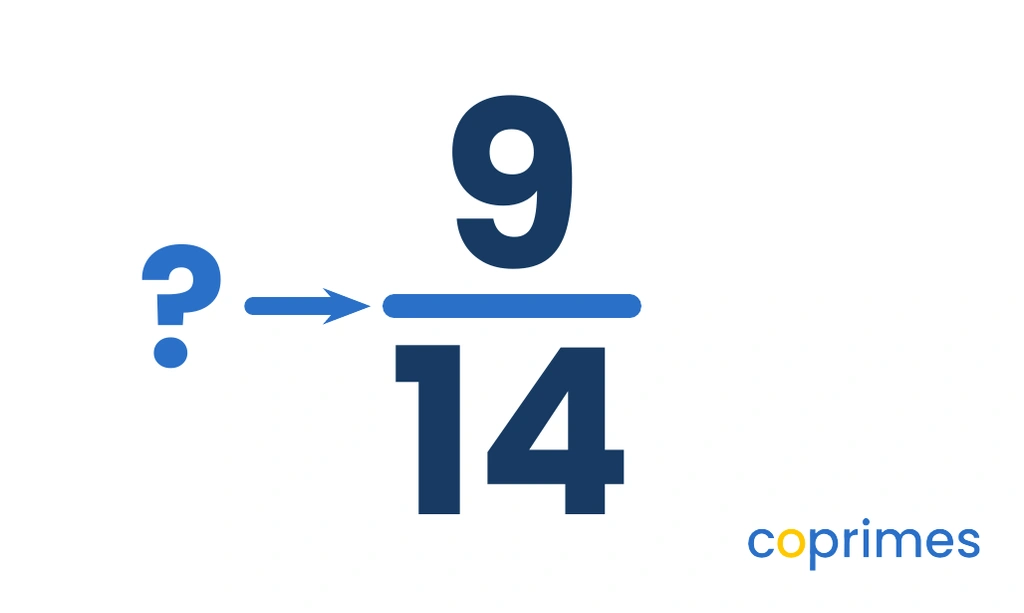
Look at the mathematical image above. What is the name of the horizontal line indicated by the question mark?
Numerator
Denominator
Fraction bar
Divisor
Fraction bar
Which division expression is mathematically equivalent to the fraction ?
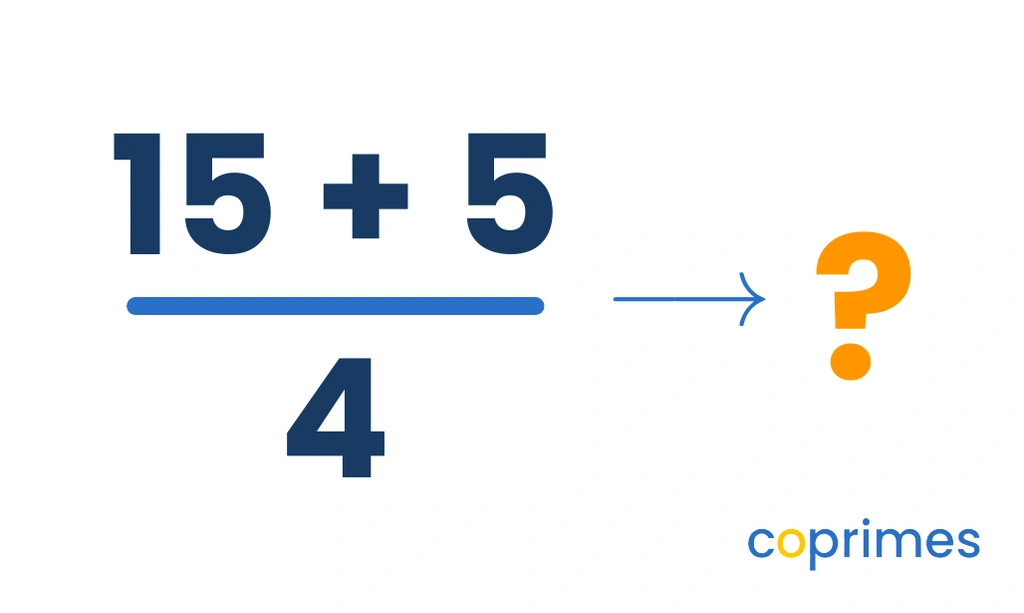
How should the fraction shown above be rewritten correctly as an inline division expression?
In the fraction , which statement accurately describes the number ?
It is the numerator above the fraction bar.
It is the denominator below the fraction bar.
It represents the fraction bar meaning division.
It is the dividend above the fraction bar.
It is the denominator below the fraction bar.
A baker cuts a pie into equal slices and serves of them. How is this situation written using a fraction bar, and what does the bar represent?
, representing divided by .
, representing divided by .
, representing multiplied by .
, representing multiplied by .
, representing divided by .