
Simplifying Fractions: Methods, Examples and Practice
Simplifying a fraction means dividing its numerator and denominator by common factors until they share no factor greater than , producing `equivalent fractions` that are in simplest form.
What does simplifying fractions mean?
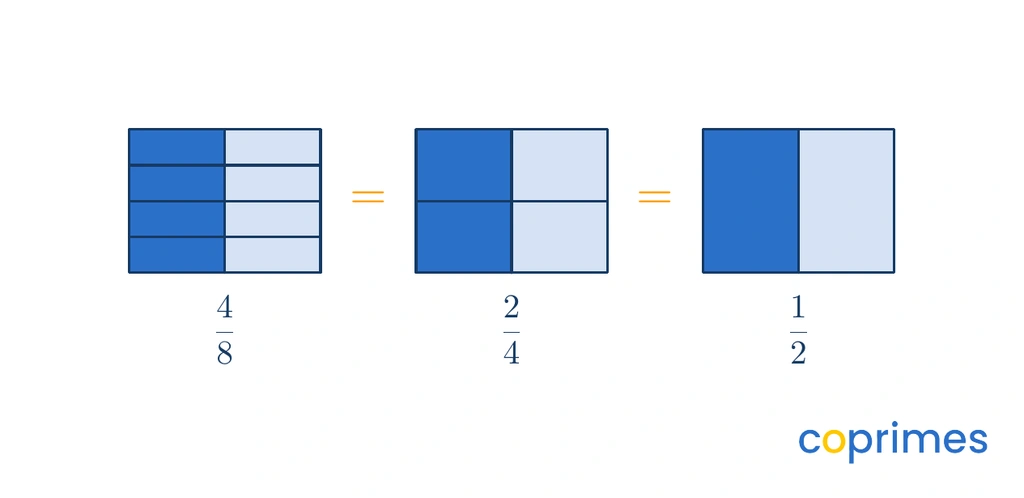
Simplifying, or reducing to lowest terms, means rewriting a fraction using the smallest possible whole numbers without changing its mathematical value.
For example, represents exactly the same proportion as . The fraction is the simplest way to write it because the numbers cannot be divided down any further.
Identify common factors
Before a fraction can be simplified, you must identify numbers that divide evenly into both the top and bottom parts. These numbers are called common factors.
A common factor is a whole number that divides two or more numbers without leaving a remainder.
- If the numerator and denominator are both even, they share the factor .
- If both numbers end in or , they share the factor .
- If the sum of the digits is a multiple of , they share the factor .
Simplify step by step
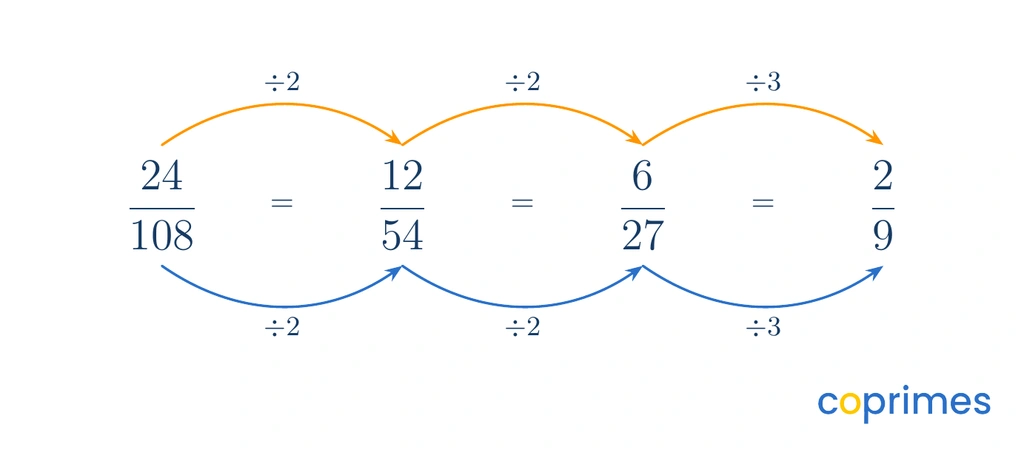
The first method for reducing a fraction is to divide the numerator and denominator by common prime factors repeatedly.
Follow these steps:
- Find any common factor that divides both the numerator and denominator.
- Divide both parts by that number.
- Check the new fraction. If the numbers still share a common factor, divide again.
- Stop when the only common factor left is .
A learning plan shaped by your child, not the class
State-aligned Math plus our own Logic and English curriculum. An adaptive baseline test finds the gaps and fills them.
Use the greatest common factor
Instead of dividing in multiple small steps, you can simplify a fraction in a single step using the `greatest common factor`.
The greatest common factor is the largest number that divides evenly into both the numerator and the denominator. Find all the factors for both numbers, identify the largest factor they share, and divide the top and bottom by that single number.
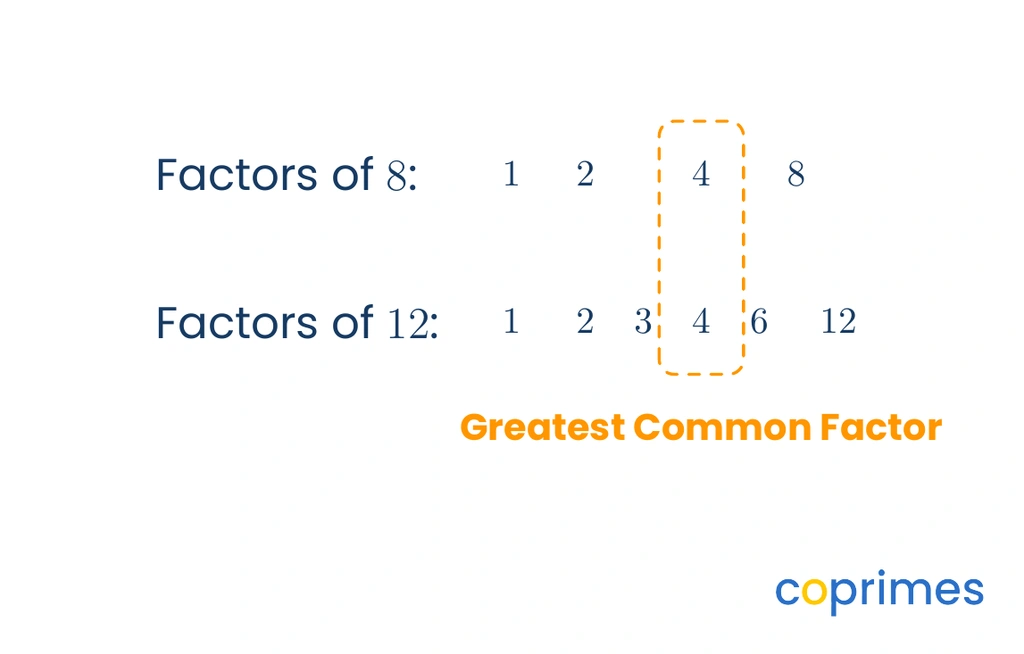
For the fraction , dividing both the numerator and denominator by the greatest common factor produces the simplest form, .
How to know when a fraction is simplest
A fraction is in simplest form, or lowest terms, when its numerator and denominator have no common factors other than .
Always check your final fraction. If the top and bottom numbers can still be divided evenly by a number larger than 1, the fraction is not yet in simplest form.
For example, is in simplest form. The factors of are and . The factors of are , , and . Because they share no factor other than , the fraction cannot be simplified further.
Worked examples
Simplifying fractions is a helpful skill in many areas of mathematics, including `comparing fractions`.
Example 1: Multi-step reduction
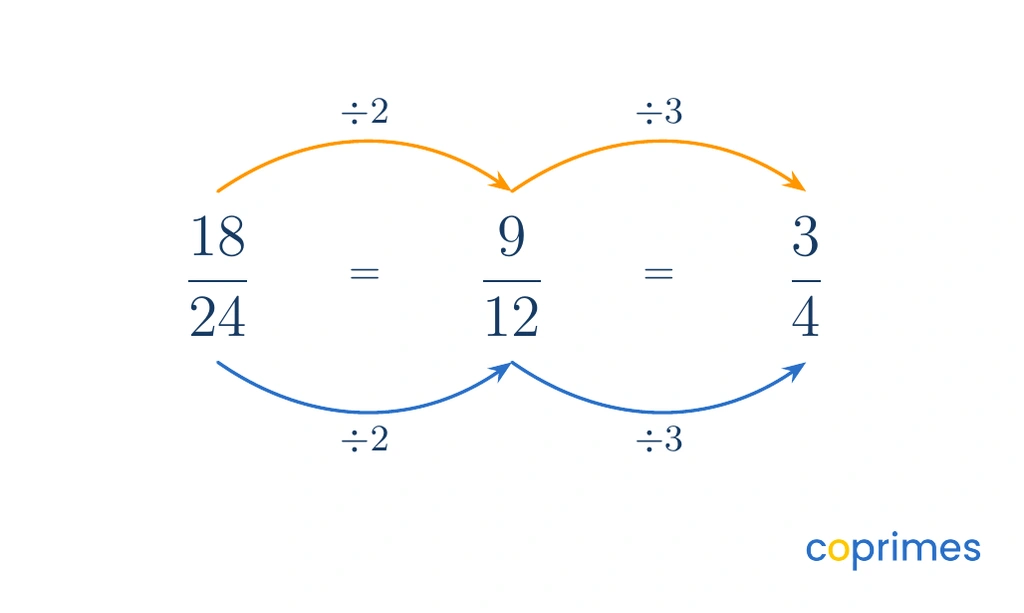
Question: Simplify the fraction using a step-by-step method.
Method:
- Identify a common factor for and . Both are even, so divide by .
- Dividing gives .
- Check for further factors. Both and are divisible by .
- Dividing by gives .
Answer: The simplified fraction is .
Check: The factors of are and . The factors of are , , and . The only common factor is , so it is in simplest form.
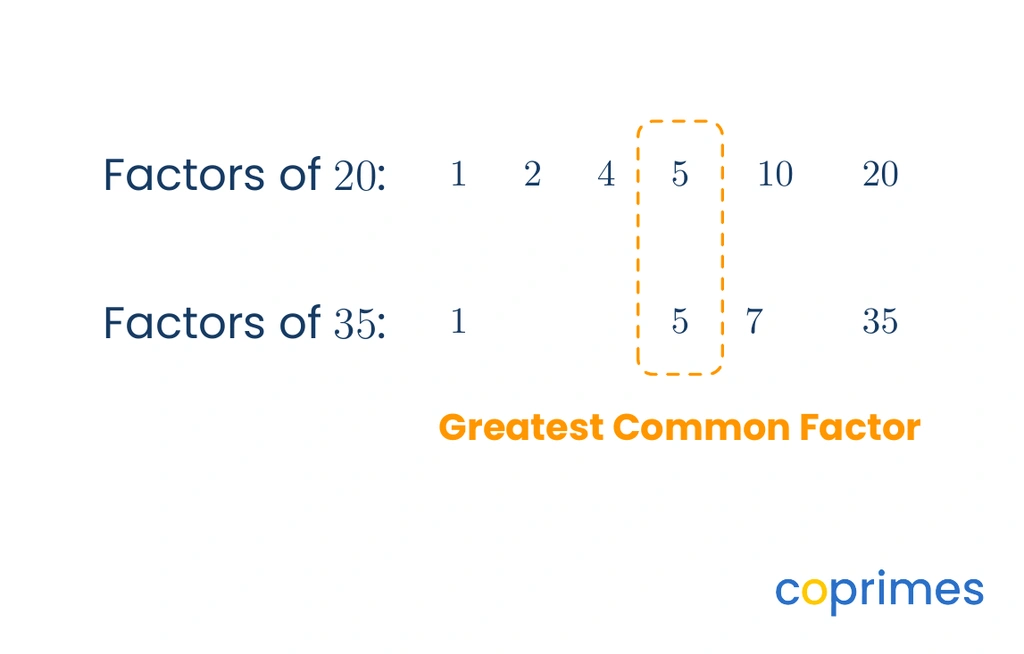
Example 2: Greatest common factor reduction
Question: Simplify the fraction using its greatest common factor.
Method:
- List the factors of : , , , , , .
- List the factors of : , , , .
- Identify the largest common factor, which is .
- Divide the numerator and denominator by .
Answer: The simplest form is .
Check: The only common factor of and is .
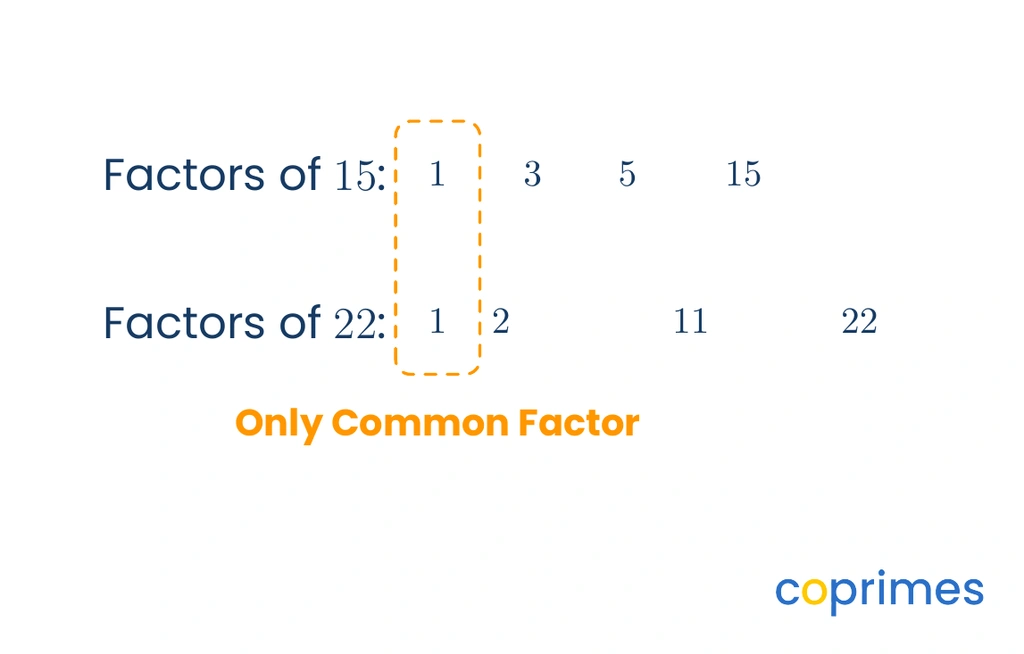
Example 3: A fraction that cannot be simplified
Question: Write the fraction in simplest form.
Method:
- List the factors of : , , , .
- List the factors of : , , , .
- Identify the common factors.
- Because the only shared factor is , no division will reduce the fraction further.
Answer: The fraction is already in simplest form.
Check: and . The values remain unchanged.

Common mistakes
One frequent mistake is stopping the simplification process too early. For example, reducing to is a correct first step, but the fraction is not yet in simplest form because and can still be divided by .
Another major error is attempting to cancel any matching digits across the numerator and denominator. Crossing out the digit in to get is mathematically invalid. You must divide the entire number by a common factor, never just cross out individual digits.
Frequently asked questions
Does simplifying a fraction change its value?
No. A simplified fraction has the exact same mathematical value as the original fraction; it is simply written using smaller numbers.
Why is it important to simplify fractions?
Simplified fractions are easier to read, understand, and use in calculations. Working with smaller numbers also makes it easier to find a `common denominator` when adding or subtracting fractions.
Can you simplify improper fractions?
Yes. An improper fraction, where the numerator is larger than the denominator, can be simplified using the exact same methods. If needed, you can simplify the numbers first and then `convert improper fractions to mixed numbers`.
Practice questions
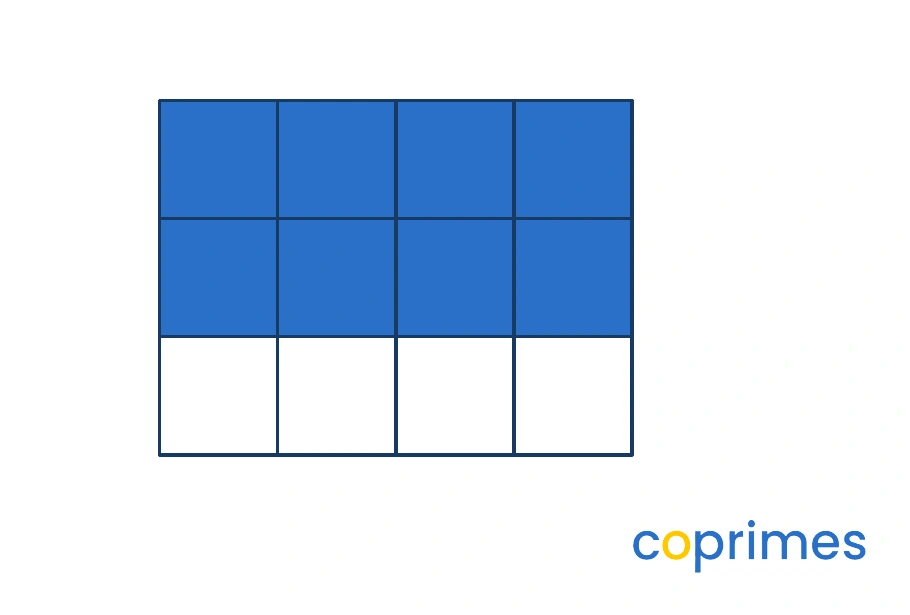
What is the simplest fraction for the shaded area shown in the model?
Which of the following fractions is in its simplest form?
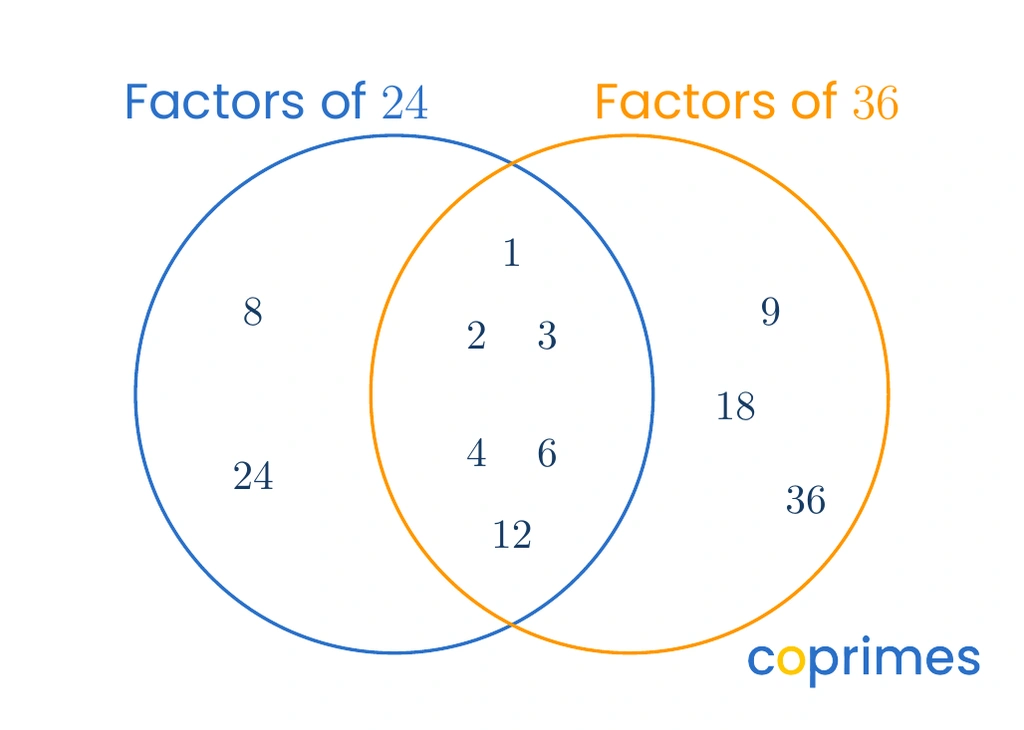
What is the greatest common factor of the numerator and denominator in the fraction ?
A student is asked to simplify the fraction . They divide both the numerator and the denominator by to get . What is the most accurate feedback for the student?
The simplified fraction is because is a common factor.
The step is correct, but the fraction can still be simplified further.
The step is incorrect because they should have divided by .
The fraction is already in its simplest form.
The step is correct, but the fraction can still be simplified further.
A recipe requires of an hour to bake a cake. How many quarters of an hour does it take? (Hint: Simplify the fraction first.)